How Much Is Easier Is It to Get Into Art School at a Selective University?
Hoping to get into a higher fine art program? Many of the best art programs are highly competitive, and, fifty-fifty if your portfolio is stiff, information technology can be hard to stand out from the crowd. In this guide, we break down what every part of your college application must include for yous to become a standout art bidder. This article applies to all types of arts programs, including drawing, painting, photography, and fashion. Follow these tips to produce an exceptional application for art programs. There are lots of misconceptions around what it takes to get into college, especially as a potential art student. Many people call up y'all need to excel in a lot of areas in lodge to show schools that you're smart and talented. However, for many top programs, being well-rounded tin can actually put yous at a disadvantage. What the most competitive schools desire to run across is that you're highly-skilled in a specific area. This is particularly truthful for art programs, where you'll demand to evidence strong art talent to accept a good chance of being accustomed. So, instead of being pretty good in all your classes, beingness in an art society, playing a sport, doing some volunteer work, doing some art projects on your own time, etc. you'll be a much stronger art candidate if y'all can clearly show your talent for fine art. Having a strong focus in a single area is what we phone call a "spike." We go into spikes more in this article, but, basically, a spike is where you focus your talents in ane area and so that you become exceptional in it, rather than be "pretty good" in a bunch of different areas. Why is the spike arroyo meliorate? Fine art schools want to admit students they recall will achieve great things as an artist. The best manner to do this is for the schools to acknowledge students who have already shown strong artistic talent and delivery to art as loftier school students. You tin can't be illiterate/unable to count, but showing that you're a great creative person and spend most of your time on fine art makes you lot a much stronger art plan candidate than showing that you lot're pretty good at a bunch of things, including art. Your goal is to have every part of your awarding testify conspicuously "I'm a great artist!" For your art spike, you must bear witness: In the rest of this commodity, we'll explain how to practise this for each part of your higher application, and nosotros'll also go over some examples of standout fine art candidates. Below, we break down how to make each fundamental part of your application as strong every bit possible so you requite yourself the best risk of being accepted into art programs. We become over: For each, nosotros give physical goals to aim for, as well as general qualities your awarding should take throughout. In full general, recollect that y'all desire your artistic talents to be most prominent, only you don't want to slack in other areas to brand schools incertitude you can handle college-level classes. Your art portfolio is the #1 most important part of your application to art programs. If it's potent, it tin can oft be plenty to make upward for weaker grades, test scores, and extracurriculars (to a point), and if it'south weak, yous probably won't become into top art programs, even if the rest of your awarding is perfect. Nosotros have a guide specifically on developing an fine art portfolio for college, but we'll give an overview here on how to brand your portfolio shine. An art portfolio is typically a drove of about 10-20 pieces of your very best work that y'all send to colleges to give them an overview of your work. Each school has slightly dissimilar requirements for the pieces to send in, how many to send in, and what they want to see in your portfolio. Make sure to read their portfolio instructions very advisedly to make sure you're giving each school what they want. You lot may take to end up tweaking your portfolio for each school, which tin can be annoying, but this volition be some of the nearly useful time you spend creating a strong college application. Admissions teams wait for 3 main things in an art portfolio: Technical Mastery You lot could exist the about creative and innovative artist in the globe, but y'all still demand to prove yous accept a potent foundation of bones skills. Technical mastery includes existence able to use basic and advanced art principals to your piece of work, create work that shows a high level of attention and detail, and complete projects that are gratis of sloppiness and mistakes. Art programs are oftentimes most interested in your drawing skills because many fine art forms require a stiff cartoon power. Most art programs recommend applicants submit at least cartoon in their portfolio, fifty-fifty if that is not their preferred fine art grade, and some schools, such as the Rhode Island School of Design, require at least one cartoon sample. Diversity and Versatility While it's expected for students to take an art form they create most oftentimes and are near comfortable with, art schools want applicants who are stiff artists across a diversity of media and art forms. One reason versatility is of import is because the ability to create multiple art forms is a sign of a talented artist and one who can apply their skills in multiple ways. Unique Style/Personality The School of the Art Institute of Chicago (SAIC) states on its admissions folio that the most important thing they look for in an fine art portfolio is "[W]ork that volition requite us a sense of you, your interests, and your willingness to explore, experiment, and recollect across technical art and design skills." Your art portfolio must showcase your personality and unique way of looking at the world. You desire to show art schools that there is a reason they should admit you specifically, so there must be some unique quality to your work. Technical skill is not enough if y'all can merely re-create what others have already created. After you've read the portfolio requirements and recommendations of each school you're applying to, y'all're set up to assemble your portfolio. As you practise, continue these tips in mind: Give yourself enough of time: Yous'll likely need months, or even years to create the work you'll apply in your portfolio, merely give yourself at least eight weeks just to compile the portfolio itself. Prove the latitude of your skills: Even if you are only submitting work from ane fine art grade, you tin can testify a great bargain of variety within it, both in technique and subject thing. Include pieces from direct observation: Many art programs require or highly recommend pieces created from straight ascertainment. These are pieces created by observing existent things effectually you. Fifty-fifty if your groundwork is more in abstract art, virtually programs want to know you lot tin recreate scenes effectually y'all, hence the direct observation requirement. Ensure your pieces expect their best: First, make sure there are no smudges, rips, wrinkles, etc. that you lot don't desire on your piece of work. Once they're perfect, put a lot of care into photographing/videoing them as well. Spending fourth dimension to take quality pictures and videos of your work is almost equally important as creating quality art itself. Contrary to what you might take been told, y'all can't fail your classes and notwithstanding expect to get into superlative art programs, fifty-fifty if your portfolio is exceptional. Art schools want students with at least a solid pedagogy. This is for several reasons. First, even if you go the best artist in the earth, you volition notwithstanding demand additional skills to get by in the earth; everyone does. Reading, writing, and math skills are oft the most important because you'll likely be using these skills every day for the rest of your life. Fine art schools want to know you already accept a stiff foundation in these areas. Additionally, art school is still schoolhouse. Art schools want to make sure you have the work ethic needed to complete classes in a satisfactory manner, fifty-fifty if you're not that excited about the coursework. If your loftier school transcript shows a wave of dropped classes and low grades because you lot just "didn't like those subjects" they're going to wonder if you'll bail on their classes, too. How much do your grades matter for fine art school? It really depends on the school. Art programs that are office of a highly-competitive university, such as the art programs at Yale, USC, and Brownish, will expect strong grades. At these schools, y'all'll be taking enough of non-art classes and will need to proceed up with a loftier-achieving pupil body. For these programs, even the well-nigh amazing portfolio won't guarantee access if your grades are poor. If you really do have a stellar portfolio, you don't need to aim for perfect scores (considering your portfolio will be the shining tip of your spike and make up for shortcomings elsewhere), just, in general, nosotros recommend at least a three.5 unweighted GPA. Y'all should also be taking honors and AP classes if your school offers them. As art is your spike, you lot can have advanced classes in whichever classes you enjoy nearly/practise best in. For all your classes, aim to not become annihilation lower than a "B," although a few C's might be OK if your portfolio is very strong. Have all the art classes y'all can, especially AP art classes (the electric current options are ii-D Art and Design, 3-D Art and Design, Art History, Drawing, and Music Theory). If your schoolhouse doesn't offer many fine art classes, run across if you tin take classes at a local customs college to add together to your transcript and show your commitment to gaining a solid foundation in basic art skills. Schools that exclusively cater to art and blueprint students, fifty-fifty highly competitive ones such as RISD and CalArts, generally take lower grade expectations. For these, your art portfolio will matter more than, and your grades and test scores are of lower importance. This is especially true if you'll exist receiving a BFA caste, rather than a BA caste. However, at that place is still a lot of variation between different schools. RISD is known for wanting strong grades and test scores, while programs similar CalArts and SAIC often take students with lower GPAs if their portfolios are excellent. In general, we recommend taking all the fine art classes you tin can (honors and AP if possible). For the balance of your classes, have the most challenging form schedule you tin can without getting overwhelmed. Set up a goal to not get grades lower than a "B," but some lower grades are usually OK. As with your GPA, some programs discover your standardized examination scores to be an important part of your application, while others don't really care most them. Some programs, such equally CalArts and Massachusetts College of Art and Design, don't crave standardized exam scores. You'll need to practice some enquiry to see how much different art programs value standardized test scores. As with GPA, purely art schools tend to not weigh test scores very heavily or even require them at all, merely more than full general liberal arts schools will expect decent to strong examination scores. If y'all're applying to a school where standardized exam scores are an important part of the application, information technology is very much to your benefit to get a strong score. Even just a few days of report for the Sabbatum and Act is often plenty to requite you a significant score boost. What score should y'all aim for? Again, it depends on the schoolhouse. For highly-competitive schools like Yale, aim for a 700+ on both sections of the SAT or a 30+ on the ACT. Higher is always better, peculiarly if yous experience other parts of your awarding aren't as strong every bit you want. For other schools, what should you aim for? RISD is 1 of the few art schools to written report its average Sat scores: its admitted freshman students average a 688 on SAT Math and 655 on EBRW. Those are good benchmarks to aim for if y'all're applying to non-Ivy League schools that nonetheless consider test scores a key function of the higher application. If the fine art programs you're applying to don't weigh exam scores strongly, you can aim lower. A 1200 on the SAT or 1200 on the ACT is a good goal to gear up, but if your portfolio is strong, y'all can probable become lower than these scores and even so accept an excellent chance of getting accepted. For programs that don't crave standardized examination scores, y'all can opt not to take the Human action/Sat or not to send scores if you're unhappy with them. However, we but recommend doing this if your grades are fairly stiff, as you'll need to have some proof of being able to succeed in school. Also, if yous score well, we recommend sending in your scores, even if they're not required. Strong standardized exam scores will always be a boost to your awarding. Having additional test scores, such as AP or IB scores, is also a good style to strengthen your application. Aim for a 3 or higher for APs (or a 4 or v if you're applying to highly competitive schools like Yale or Brown), and 4+ on IBs (or a 5 or higher for highly competitive schools). Over again, art is already your spike, and so yous can take these tests in the subjects you recollect you'll do best in. In general, you want the majority (at least ¾) of your extracurriculars to relate to fine art. This will reinforce your spike. There are multiple means to get strong extracurriculars: Competitions If yous accept won an fine art competition, that'due south a great matter to accept on your application! This is true even if information technology was a small/local competition, or if you weren't given the top prize but were withal given an award/honorable mention. Winning a competition obviously shows you are a talented creative person, simply even just applying to 1 shows colleges you're motivated and believe in your skills, which they love seeing in applicants. Clubs/Camps Beingness a member of an fine art club is a neat extracurricular because it gives you more experience creating art, exposes you to the viewpoints of other artists and then yous can larn more than about fine art and how to better your own work, and shows you accept social skills and like beingness around others. The art club y'all join can be a school order, community club, or even one yous showtime on your ain and recruit others to. One thing y'all don't demand to exercise though is pay lots of money to go to a "prestigious" art camp. Unless the art military camp is both highly competitive (acceptance rate less than 25%) and well-known, paying thousands of dollars to attend an art camp won't be any more than impressive to colleges than joining your school art club for gratis. As always, information technology'southward the art you produce that's most important, not where you produce the art. Volunteering All schools want applicants who are more often than not good people and will have a positive impact on campus. Having extracurriculars on your application that bear witness y'all care about others is a strong plus. Too, dissimilar competitions, you lot don't need to win anything to give dorsum equally an artist; you just demand to determine you want to aid others! Examples include volunteering to teach younger students nearly art, altruistic fine art supplies to daycares/schools/senior homes that can't afford them, contributing to a community fine art event like painting over graffiti with a landscape, etc. But participating in these is great, but if you lot start your own project, that's even better considering it shows leadership skills and a potent work ethic (two things all colleges love). Non-Fine art Extracurriculars The fine art program you're applying to may have an essay prompt specifically related to art (this is sometimes called an "artist argument." For this, exist sure to answer every part of the prompt (they often contain iii or more than things to discuss), and bear witness your unique approach to art, specific artistic achievements, and your artistic goals for the futurity (every bit long equally those topics apply to the prompt, of course). For virtually of these prompts, you lot can answer them with a by/present/future focus. For the past, discuss why you became interested in art, for the nowadays discuss current projects/skills/accomplishments, and for the time to come discuss how you envision your artistic career progressing, both short-term and long-term, including how the school you lot're applying to volition help you achieve those goals. About schools recommend this statement be between 1-two double-spaced pages, and so expect to go into some depth. The creative person's statement is often an extremely of import part of your fine art awarding, so really put some fourth dimension into information technology. Make certain information technology'southward free of spelling and grammar errors, too (have someone else look it over to double-check). If your programs don't crave artist statements, no worries! Even generic prompts can be related to your fine art fasten if y'all go creative (which of course you lot can do; you're an artist!). We recommend you withal endeavor to connect these essays to fine art, equally this is your run a risk for schools to really sympathise what makes you lot tick as an artist. Here are some examples of things to discuss for different prompts: Plain, your essay topic will depend on your ain individual circumstances, but at that place are many means to relate it to your art spike. Besides general college essay tips, your focus should exist to highlight both your passion for art and creating. If in that location'southward annihilation you're particularly proud of in your spike, this is a great place to mention information technology over again. Simply you don't need to come off as perfect. You tin can discuss struggling with tough classes, or being unsure of exactly how yous'll brand a career out of fine art, as long as you can explain that you're now ready to thrive as an undergrad art student. You should aim for at to the lowest degree one of your messages of recommendation to be written past an art teacher of yours or an art mentor you lot have. If a school you're applying to sets requirements for who tin write your letters of rec (such as i from a math/scientific discipline instructor and 1 from a social scientific discipline/English language teacher), follow those guidelines, and bank check to see if the schoolhouse allows additional letters of recommendation to be submitted; many schools permit this. When you ask a teacher to write you a letter of recommendation (which you should always do in person, when possible), information technology's very helpful if you include a "brag sheet" or list of accomplishments/qualities you're proud of. This both helps the teacher know what to write and helps you make certain your best achievements take a better chance of existence discussed. For an art instructor writing a letter of the alphabet of rec, there may be specific pieces or skills you desire them to mention. For other teachers, they'll patently discuss other things besides your art skills. Potential things for them to hash out include your strong work ethic, skill in a particular topic, willingness to help other students, etc. Remember, y'all can't control what teachers will write about in your letters, simply by offering suggestions and potentially discussing what they'll include, you tin make certain they're writing a letter they feel comfy with and that highlights the accomplishments you want. Thinking ahead to college applications? If yous're a freshman, sophomore, or junior worried almost college admissions, our earth-class admissions counselors can help. We know exactly what kinds of students colleges want to admit and can make sure your profile shines. PrepScholar Admissions is the world's best admissions consulting service. Nosotros've helped thousands of students become into their height choice schools, from land colleges to the Ivy League. Join our mentoring program today: Below are two hypothetical examples of students who developed great art spikes. Students with these profiles don't take a guarantee of getting into their art programs of choice, only these examples tin can requite you a jumping-off bespeak for developing your fasten and setting goals for yourself. Portfolio: Elodie'due south profile generally includes paintings that she embellishes with scavenged materials. She too included several drawings she'due south particularly proud of because of how detailed and realistic they are. Elodie's work shows articulate skill in both drawing and painting, and she uses the scavenged materials in unique means to add interest and create compelling stories behind each piece of work. Elodie'due south fine art evokes a strong sense of the natural world that strongly ties in to her creative person statement. Grades: Elodie has gotten A's in all her art classes, including AP 2-D Fine art. Most of her other grades are Bs, with a few C'due south in math (which she has never liked). Her overall unweighted GPA is a 3.2. Test Scores: Elodie received a 26 on the ACT. She received 3s on AP World History and AP English Literature, and a 5 in AP 2-D Art. Extracurriculars: She'southward a member of her school fine art club, and she organized a new showcase of educatee fine art at the end of each year. Elodie has likewise played soccer for ten years, although she'southward never made the school varsity team. She's won several local art awards, including a 2d place prize at a citywide painting contest. She was the only high school student to receive an accolade at the contest. Personal Statement: Elodie uses her artist statement to explicate how painting and using natural materials allows her to feel connected to the natural globe. She turned to fine art when her family moved from the countryside to the metropolis and she began missing nature. Her goal in creating her paintings and collages is to incite a love for nature in others, and she often includes scavenged materials in her piece of work both to show the prevalence of trash in the world too as how items we may think of as disposable and useless still accept value. Her personal statements requite specific anecdotes about her life and her piece of work, and she's able to clearly show how the schools she's applying to will help her reach her goals of opening her own art studio and creating a program where inner-metropolis students tin can take field trips to nature preserves and create fine art based on their experiences. Letters of Rec: Elodie's drawing and painting teacher wrote one of her letters of recommendation, and he gives a glowing review of Elodie's artistic skills, work ethic, and vision. She's clearly one of the nearly talented students he has taught. Elodie's other alphabetic character is written by her geometry teacher. Even though Elodie only received a B in geometry, her teacher describes the effort Elodie put into agreement the material, and how she explained challenging topics to other struggling students once she understood them. Her geometry teacher states that information technology's clear that Elodie has a potent natural curiosity and isn't one to surrender easily. Assay Elodie is an first-class case of someone having a very stiff art spike. She is a difficult worker, but doesn't naturally excel in many bookish areas, which is why her overall GPA and test scores are pretty average. That's fine though, considering her art spike is and so stiff. Her portfolio and artist statement volition exist the bulk of the reason why she's accustomed into fine art programs, just competition wins, stiff letters of recommendation, and her personal statement all assistance bolster her fasten and show the admissions teams that this is an applicant who is not only extremely talented as an artist, only who is driven to piece of work hard and has clear goals for herself. Elodie may non get into Ivy League schools, but she's a very stiff candidate for most art programs. Portfolio: Darian's portfolio shows strong photography skills, particularly for portraits. He uses his advanced technical and lighting skills to showcase his sitters in the best light. Darian likewise uses photo editing programs, including some he modified on his own, to give his photographs a bleak, minimalist mood. This adds a unique aspect to an otherwise standard portfolio. Grades: Although photography is his passion, Darian enjoys school, especially when he'due south able to connect his schoolwork to photography. He especially excels in estimator classes (because he uses photo editing programs) and English classes (because he loves writing). He understands the importance of a good education and pushes himself to take challenging classes. He's taken numerous honors and AP classes, in each main bailiwick, and gotten by and large Equally. His unweighted GPA is iii.85. Exam Scores: Darian studied quite a bit for the Sat, and, on his third time taking the examination, was able to accomplish a 750 in both sections. He'south taken five AP exams and earned a 4 or 5 in each of them. Extracurriculars: Darian is a member of both his school'southward and local community's photography order where he has learned a lot from other photographers. Because he has had such smashing mentors, he created a club where loftier schoolhouse and college-aged students teach photography to students at lower-income schools who have limited access to art classes. Each student is loaned a photographic camera and encouraged to take photos of their world as they run into it. At the end of the programme, the students' photos are showcased at the community library. Darian started this program as a freshman, and it has grown so that dozens of students take been mentored, and local politicians and out-of-state artists nourish the consequence. Additionally, Darian is a member of his school's coding order, and he plays on an ultimate frisbee team and works at his parent'southward eating house on the weekends. Personal Statement: Darian used his personal statements to hash out how important photography can exist to a community to create social connections and a sense of place. His current work is heavily-based on his hometown and the people in it because he wants people to experience proud near being from there. He takes time to talk over the mentorship program he started, how of import it is to him, and his hopes for how it will grow. Like Elodie, Darian has clear plans for his future and what he hopes to get from an art programme. Messages of Rec: Darian'due south photography teacher and information science teacher wrote his messages of recommendation. Both discussed his obvious talent, but they spend more fourth dimension giving examples of what a caring and helpful person Darian is, and how much endeavor he puts in to help others improve and reach their goals. Darian submits a supplemental alphabetic character of rec from the library director where Darian's mentor program holds its customs showcase. The manager describes what a positive impact the program has had on participants and what an infrequent person he thinks Darian is to take started such a successful plan while in high school. Assay Darian is a strong art programme candidate, but in a somewhat different way than Elodie. Darian's portfolio is strongly in a higher place boilerplate, but not hugely exceptional, although he shows the potential to proceed improving his skills. Unlike Elodie, Darian'southward portfolio alone isn't plenty to get him into acme programs. However, Darian makes up for this in other areas, specially his stiff grades and test scores, and especially the mentorship program he started. Overall, Darian is a skillful photographer who also seems like a genuinely caring, smart, and hardworking person. He likely has a ameliorate chance of getting into liberal arts colleges with art programs than Elodie does considering Darian has the stiff bookish background these schools want. Your portfolio is the most important part of your awarding to art programs. Learn more about how to make a great portfolio that will impress your dream school. Wondering what art programs you should apply to? Bank check out our guide on the best art schools in the United states of america! How's your contour line drawing skill? Larn the basics of how to describe without shading with this guide. Want to build the best possible higher awarding? We can help. PrepScholar Admissions is the world's best admissions consulting service. Nosotros combine world-course admissions counselors with our data-driven, proprietary admissions strategies. We've overseen thousands of students go into their acme pick schools, from state colleges to the Ivy League. We know what kinds of students colleges desire to acknowledge. Nosotros want to get you admitted to your dream schools. Acquire more about PrepScholar Admissions to maximize your hazard of getting in. 
What Do Colleges Look for in Applicants?
How Can You lot Impress Colleges as an Fine art Applicant?

Portfolio
Classes
Test Scores
Extracurriculars
Personal Statements
Letters of Recommendation

What Do Good Examples of Fine art Spikes Look Like?
Contour 1: Elodie the Painter
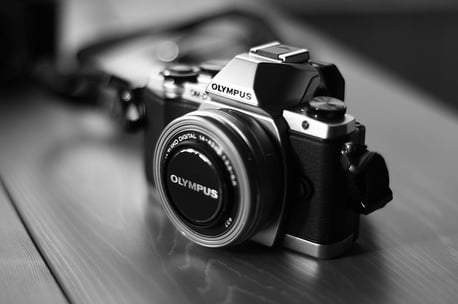
Profile 2: Darian the Photographer
What'south Adjacent?


Christine graduated from Michigan State University with degrees in Ecology Biology and Geography and received her Master's from Duke University. In high school she scored in the 99th percentile on the SAT and was named a National Merit Finalist. She has taught English and biology in several countries.
Source: https://blog.prepscholar.com/how-to-get-into-art-school
0 Response to "How Much Is Easier Is It to Get Into Art School at a Selective University?"
Postar um comentário